Orbitals: Shapefarm's Switch 2 Anime Co-op Hit
Who built Orbitals, the design bets behind Maki and Omura, and how a $40 Switch 2 exclusive topped the eShop after launch week.
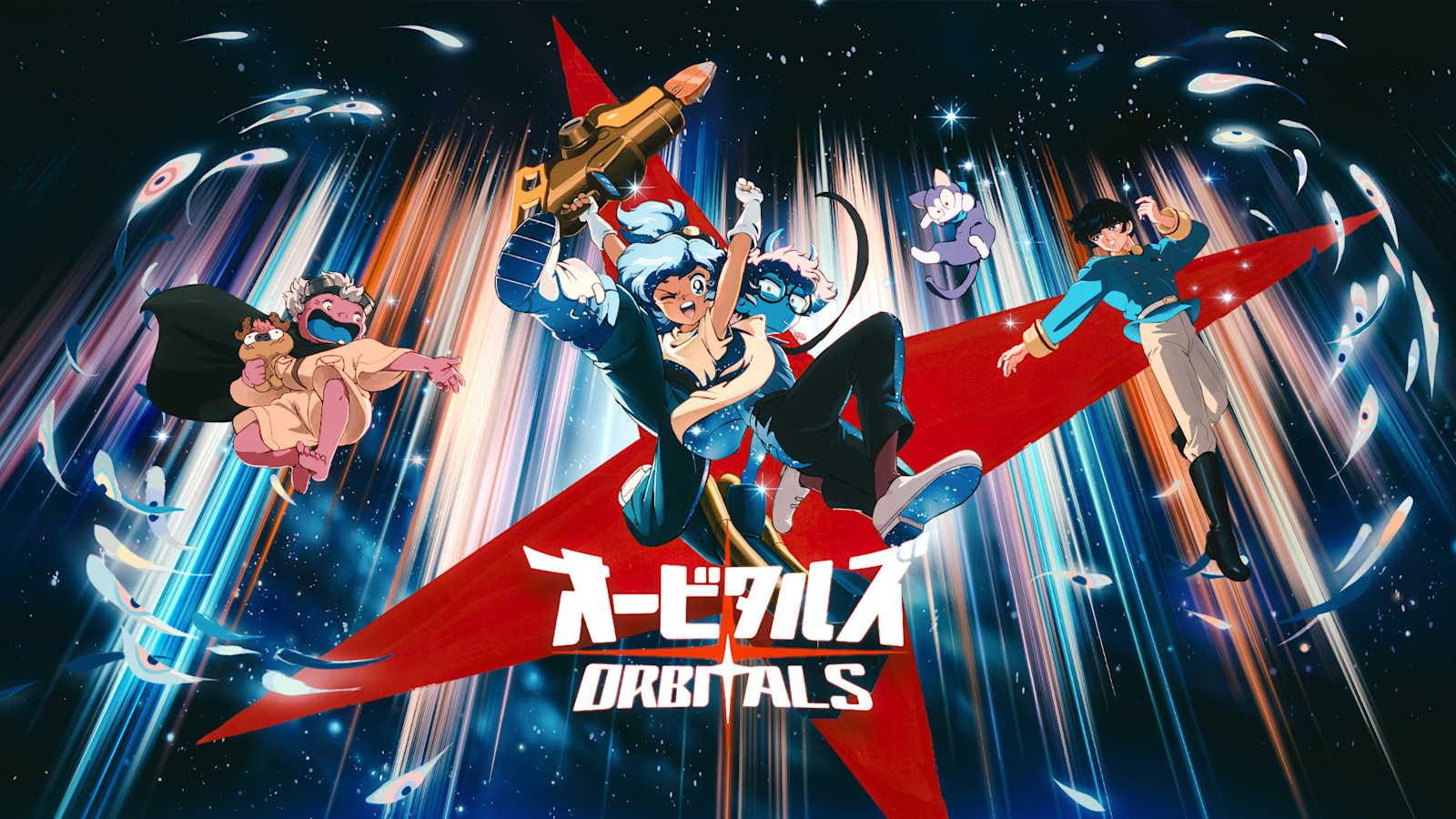
Orbitals (Nintendo Switch 2). Hover for a Voidge draft sketch inspired by a fragment of the still.
September 3, 2026 gave Switch 2 owners a rare kind of exclusive: a game that refuses to run alone. Orbitals, from Tokyo studio Shapefarm and publisher Kepler Interactive, is a two-player co-op puzzle adventure dressed like a late-80s space OVA. No single-player mode. No "AI buddy" checkbox. You bring a friend, or you do not launch.
That bet paid off fast. Critics landed in the low 80s on Metacritic and OpenCritic with near-universal recommends. Within days, Nintendo Everything's Switch 2 eShop revenue chart for the week of September 6 put Orbitals at #1, ahead of an $80 Elden Ring listing while Shapefarm's game sat near $40. This is the launch story: who made it, which decisions stuck, and why the charts noticed.
Who is behind Orbitals
Shapefarm is a Tokyo studio and a founding member of the Kepler Interactive collective. Public credits put Marcos Ramos as creative director and Jakob Lundgren as game director. Lundgren's resume is the co-op pedigree: designer credits on Hazelight's A Way Out, It Takes Two, and Split Fiction. Ramos's path runs through stylized licensed work (Naruto to Boruto: Shinobi Striker, Samurai Jack: Battle Through Time) into Shapefarm's first original IP.
Artist Johannes Varmedal, designer Hugo Sanchez Westberg, and composers Falk & Klou round out the named creative core. Cutscenes are not "anime inspired in the trailer only." Shapefarm partnered with Studio Massket (known for projects such as Lycoris Recoil) for hand-crafted cinematic sequences. Engine of record: Unreal Engine 5, bent hard toward cel energy rather than photoreal.
Official marketing and interviews lean on the same reference shelf: Cowboy Bebop, Dragon Ball, Neon Genesis Evangelion, with character energy nodding toward Sailor Moon and Ranma, and story warmth borrowed from Studio Ghibli films. Ramos has framed the writing goal as character-first simplicity, the "right amount of cheese," not genre homework.
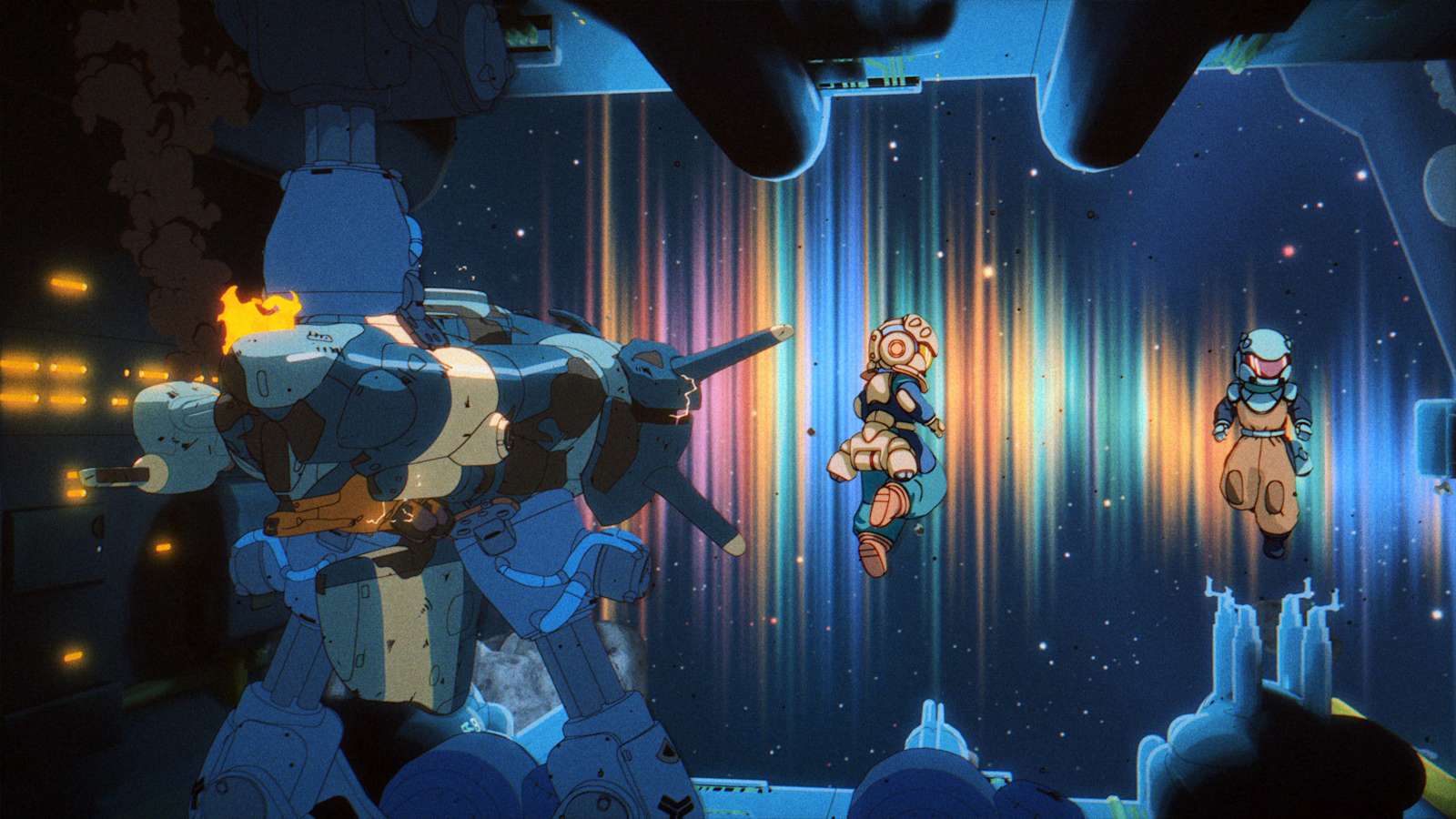
The design decisions that matter
1. Pure co-op or nothing. Nintendo's store page is blunt: the game does not support single-player. That is not a missing feature. It is the product. Lundgren has described an accessible curve that is "never too difficult," shorter than a prestige 20-hour campaign, with puzzle weight over platformer bravado. Reviews commonly clock the campaign around five to seven hours. The pitch is one evening (or two) with a person you can yell at.
2. Asymmetry as social glue. Maki and Omura carry different tools. Progress is a conversation: who holds the cutter, who holds the latch, who looks at the wrong wall for three minutes. That is Hazelight DNA, aimed at Switch 2 living rooms and GameShare sessions instead of only couch splits.
3. One copy can play two. Local split-screen, GameShare, and a free Global Friend's Pass (with a local demo baked in) turn ownership into an invite. That is a platform feature as marketing. It also explains how a mid-price exclusive can punch above unit count on a revenue chart: every purchase can activate a second controller without a second SKU.
4. Look is the differentiator. Shapefarm did not claim to reinvent co-op puzzles. Interviews and coverage say the studio wanted the Hazelight tradition, then stand out through art: thick line language, hand-drawn motion, Massket cutscenes, multi-language voice (Japanese and English among eight-plus tracks), and an OST that sells the era. Forbes and others even call out mixed frame-rate presentation tricks (12fps and 24fps blends) in service of that retro feel. The world is the pitch. The puzzles are the reason you stay.
5. Switch 2 exclusive (for now). No multiplat announcement at launch. GameShare and Friend's Pass are wired into Nintendo's new hardware story, so exclusivity is both distribution strategy and design constraint.
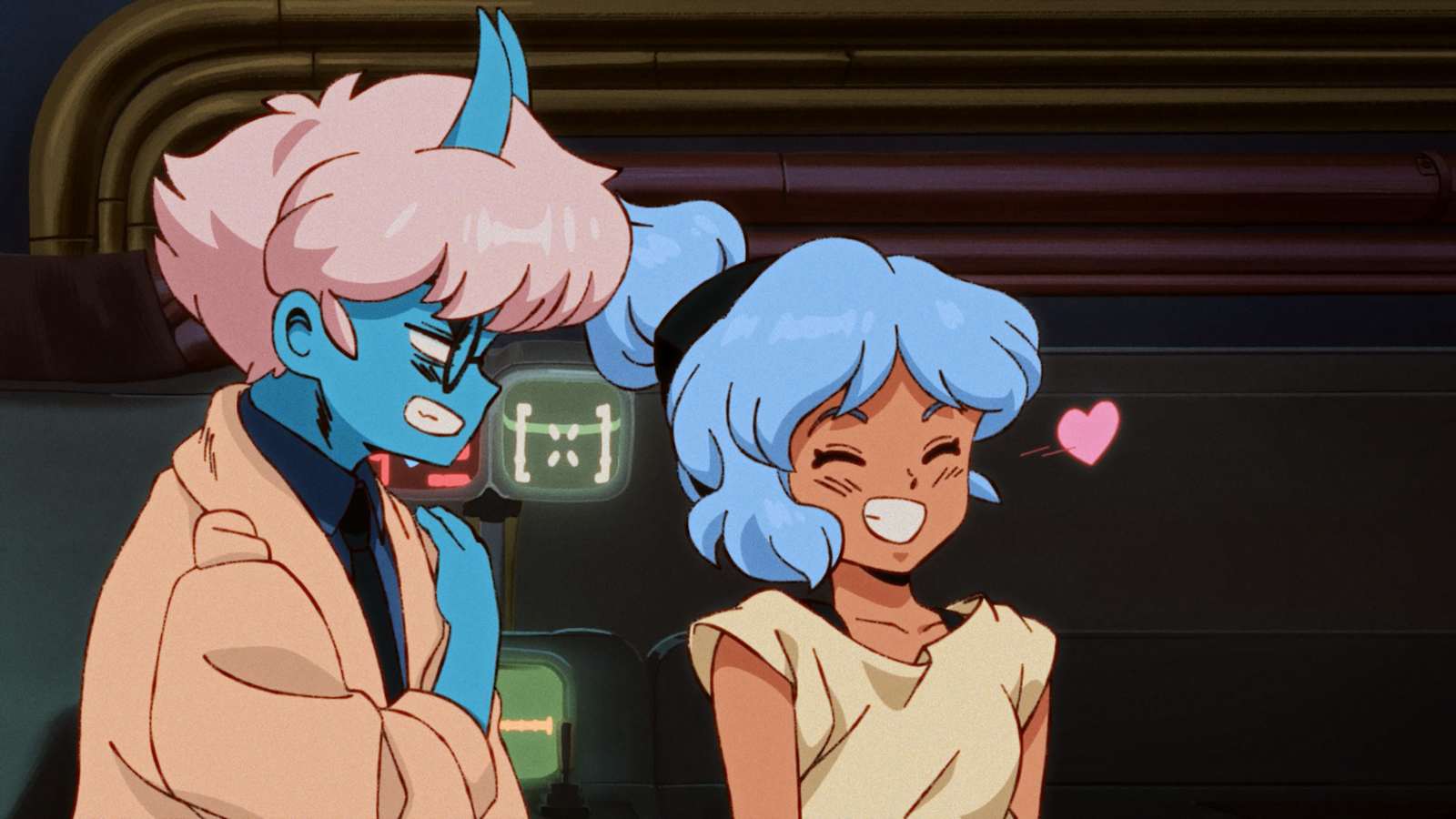
Did it work?
Critically, yes. Aggregators put Orbitals in "generally favorable" territory (roughly 81 to 84 depending on the snapshot and sample size), with OpenCritic recommending rates in the mid-90% range across dozens of outlets. Polygon called it the best co-op since It Takes Two and the most inventive family action-adventure since Astro Bot. Nintendo Life handed out a 10/10. Forbes labeled it a co-op masterpiece. The recurring complaint is length: people want more of Maki and Omura, not less.
Commercially, the early signal is loud. Displacing Elden Ring on a revenue chart at half the sticker price is the kind of week publishers screenshot for slide decks. Physical sellouts and restock chatter showed up in launch-week coverage too. Exact lifetime units are not public yet. What is public is demand shape: friends-pass friction is low, reviews are loud, and the art is thumbnail-proof on an eShop grid full of photoreal ports.
For Kepler and Shapefarm, that is a debut IP doing first-party energy on Nintendo's newest hybrid. For the co-op genre, it is proof the Hazelight lane still has empty shelf space if someone ships with a look that is not another Western fantasy buddy comedy.
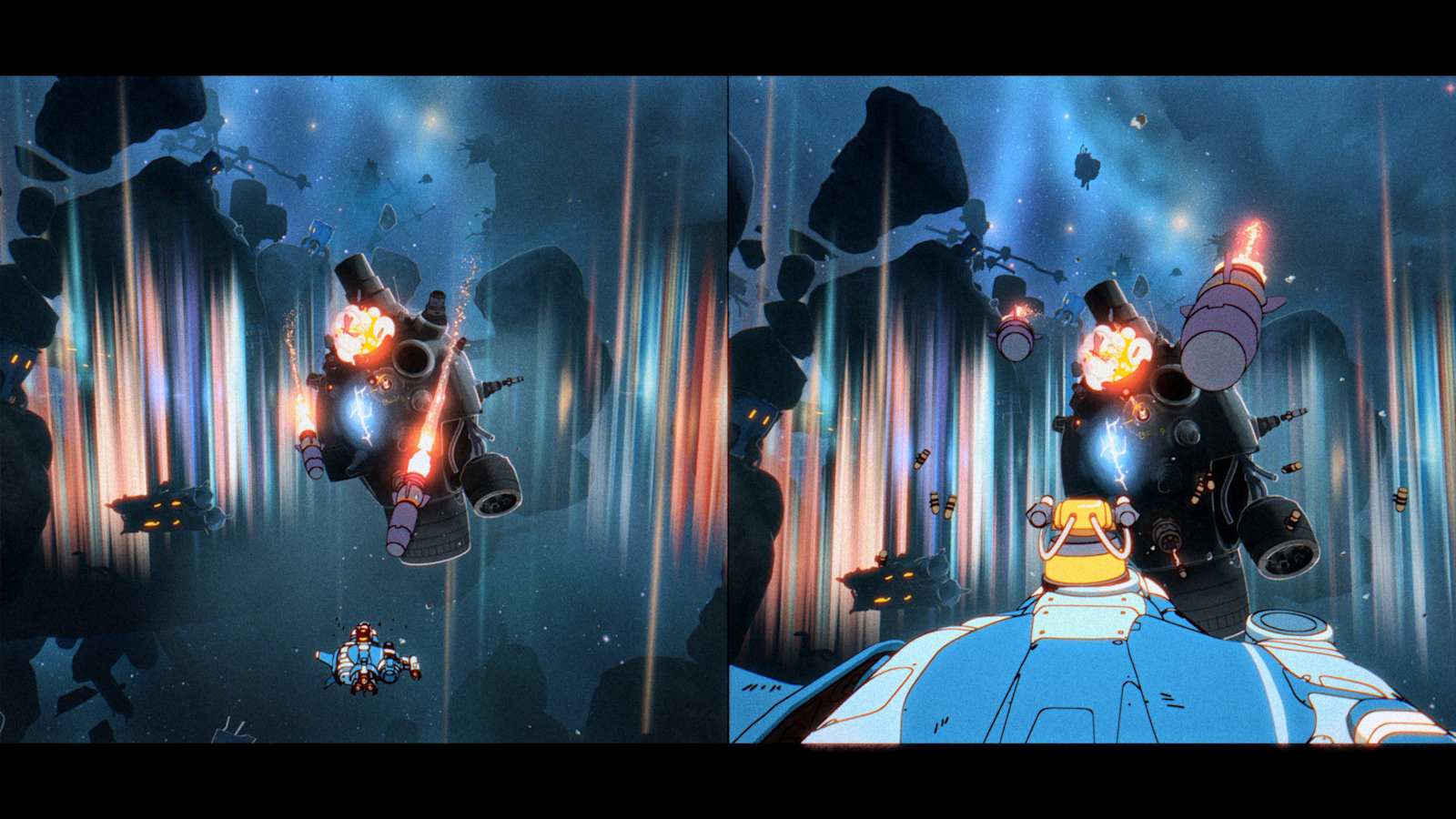
Closing
Orbitals is not a mystery box. It is a set of loud decisions: Ramos and Lundgren as the creative pair, Massket on the cutscenes, pure two-player asymmetry, short accessible campaign, Friend's Pass as distribution, and 80s/90s anime as the entire brand surface. Launch week answered the only question that matters for a debut exclusive: people bought it, critics defended it, and the eShop chart made room at the top.
If you own a Switch 2 and have one patient friend, the Storm Wall is the point. If you do not have that friend, the game will wait with the honesty of a locked door. That, weirdly, is part of why it works.
Image credits & rights
Images on this page are hotlinks from the official Nintendo website(s), used with respect for their copyright.