When Zelda Shares the Sky With GTA VI
How Nintendo's Switch 2 era and a Zelda-weighted calendar can compress, delay, or reframe the marketing runway around Grand Theft Auto VI—without a single star rating.
AAA calendars are not polite. They collide. When a Nintendo hardware cycle and a Zelda-weighted promotional season sit near the same consumer attention window as Grand Theft Auto VI, the question is not which game is "better." It is which story owns the front of the store, the first five minutes of every podcast, and the discretionary weekend budget of people who will only camp for one midnight.
This is a market and calendar note: pressure, delay options, and perception shifts—not a review of either franchise.
The stills below are served from the publishers' own sites (not rehosted on Voidge). Tap through for the full media kits:
- Rockstar Games — Grand Theft Auto VI media
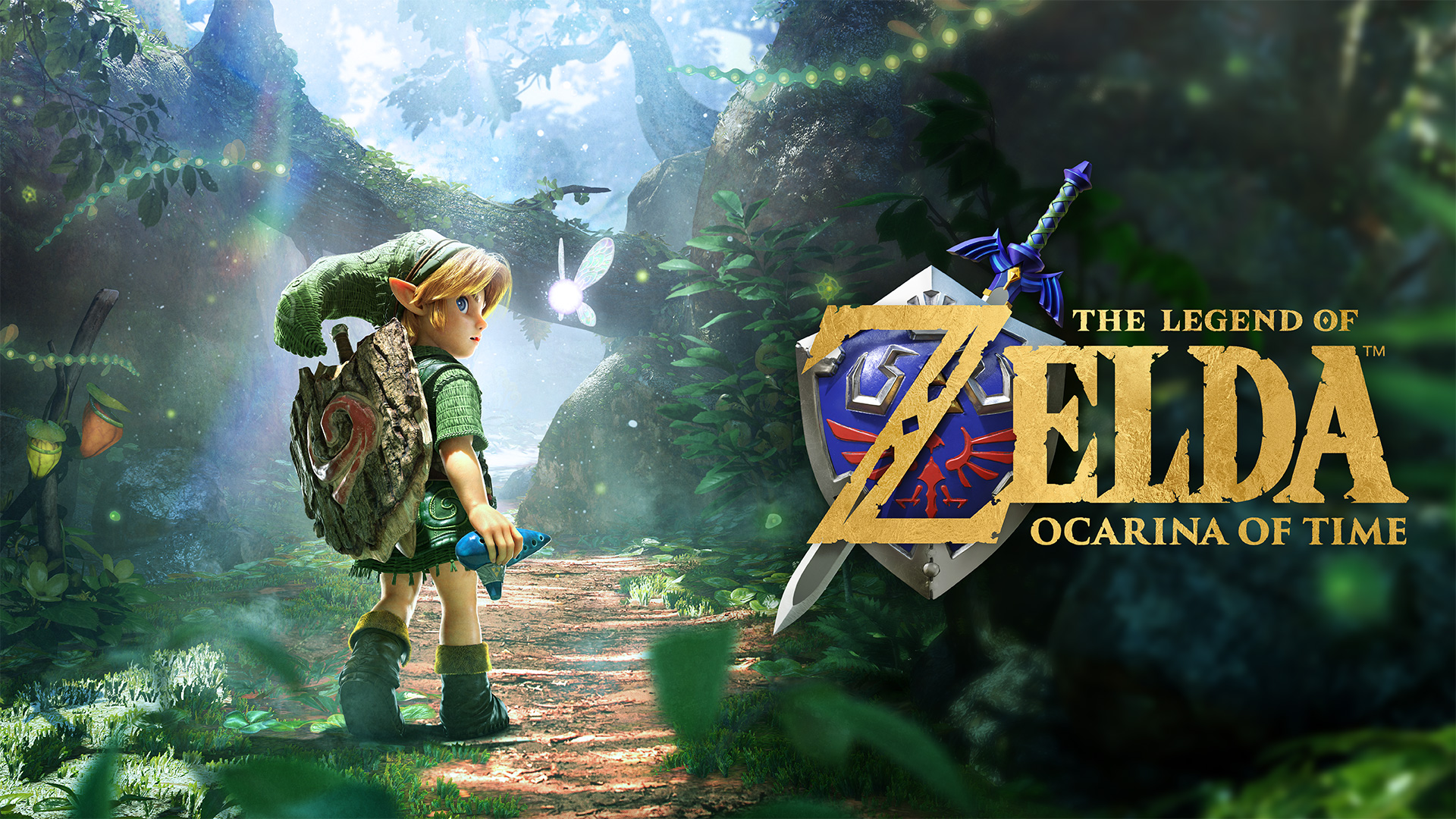
- Nintendo — The Legend of Zelda 40th Anniversary Direct
- The Legend of Zelda — official site


Two gravity wells, one quarterly budget
GTA VI arrives with decade-scale expectation: trailers as cultural events, influencer ecosystems already rehearsing bit roles, and a publisher that historically prefers a clean runway over a polite share of voice. Zelda, especially when tied to a new Nintendo hardware beat, arrives with a different kind of gravity—family shelves, first-party loyalty, and a press cycle that treats the console itself as the headline.
Those audiences overlap more than tribal forums admit. Parents who buy a new Nintendo system for the living room are often the same adults who bookmark a GTA release date. Students with one big purchase a season will pick. Retail endcaps are finite. So are homepage modules.

When both campaigns ask for the same October-through-spring oxygen, someone loses the soft metrics that do not show up in a boxscore: trailer completion rate, wishlist velocity, and the casual "are you getting that?" conversation at work.
How Nintendo's window presses GTA's marketing
Nintendo does not need to "win" against Rockstar in a head-to-head review aggregate. It needs sustained hardware attach and a franchise that makes the new system feel inevitable. A Zelda-centered stretch does that by owning lifestyle imagery—couch co-op adjacent households, handheld moments, gift-season certainty—while GTA marketing tends to own spectacle and adult fantasy.
Pressure shows up in three practical ways:
- Share of voice. Weekly media budgets and creator calendars fill. If Zelda and Switch 2 messaging saturate lifestyle and tech verticals, GTA's next beat has to be louder or stranger to cut through—or quieter and more precise for the core audience that was never leaving.
- Retail geometry. Pre-order deposits, bundle tables, and seasonal displays are zero-sum in physical channels and nearly zero-sum in featured digital rows.
- Household timing. A family that just stretched for new hardware may push the second premium purchase into the next payday cycle—even if both titles remain desired.
None of that forces a delay. It does force a choice about when to spend the biggest marketing dollars.
Delay, slip, or reframe: the options on the table
Publishers facing a crowded window usually pick among a short menu:
- Hold the date and over-invest in launch week. Accept a noisier chart fight; bet on brand gravity and multi-week legs.
- Slip a few weeks to clear the Zelda/hardware storm. Buy a cleaner news vacuum; risk meme fatigue and conspiracy cycles about "why."
- Reframe rather than move. Keep the date but change the narrative spine—more gameplay depth drops, platform exclusivity angles, or staggered regional emphasis—so the campaign does not try to out-meme a Nintendo lifestyle blitz on identical days.
For a title with GTA VI's gravitational pull, a short slip is rarely about needing more polish alone. It is often about refusing to donate opening weekend narrative to someone else's hardware keynote hangover. Conversely, staying put can be a flex: if you believe you are the event, you do not yield the calendar.
Perception is the product before day one
Even without a date change, calendar adjacency rewrites perception. If Zelda owns the gift guide and hardware unboxings, GTA can read—unfairly—as the "later" cultural object, the one adults negotiate after the family purchase. If GTA owns every billboard and late-night joke the same week Nintendo is trying to normalize a new device price point, Nintendo looks like it is shouting into a hurricane.
Perception also travels through creators. Mid-tier streamers will not split a week evenly; they will chase the chat that converts. That allocation becomes the public weather report of who is "winning" the season, independent of first-week sell-in.
Marketing teams watch that weather closely. It influences whether the next trailer leans comedy, crime spectacle, map scale, or online features—and whether community managers spend the week correcting rumors or celebrating chart positions.
What "winning the window" actually means
Winning is not a single Steam peak or a one-week chart crown. For Nintendo in a Switch 2 era, winning looks like attach rate and a system that still feels new ninety days later. For GTA VI, winning looks like a multi-month cultural residency: music placements, clip culture, and a live-service ramp that treats week one as a beginning.
Those victory conditions can coexist across a quarter. They coexist less comfortably on the same Friday. The collision is therefore less about eternal brand war than about sequence: who gets the clean week, who accepts the noisy week, and who spends against the other's hangover.

Closing
GTA VI versus Zelda on a shared AAA calendar is not a reviewer's duel. It is an allocation problem—attention, retail space, household cash, and creator time. Nintendo's hardware-and-Zelda weather can pressure Rockstar to spend harder, slip smarter, or reframe the story without moving a day. Rockstar's weather can just as easily turn Nintendo's launch stretch into background noise.
The teams that treat the other franchise as terrain—not as insult—will ship with fewer surprises. Calendars do not care about fandoms. They only care who booked the room first, and who is willing to pay to keep the lights on.